%20(2).png)
The Ultimate Cruise Port Navigation Guide: Hotels, Transportation & Insider Tips
Ready to set sail: but wondering what happens before you step aboard? Where should you stay? Which airport makes the most sense? How do you get from your hotel to the correct terminal…and what if your ship is not leaving from the port you expected?
I’ve helped travelers navigate the details behind unforgettable trips, and cruise ports deserve just as much planning as the sailing itself. A smooth embarkation begins before you arrive: with the right hotel location, a confirmed terminal, and transportation that is actually available when you need it.
In this guide, I’m highlighting five major European cruise ports: Southampton (London), Venice, Rotterdam, Rome (Civitavecchia), and Athens (Piraeus). I’ll also share a practical plan for “Other Ports,” because every cruise terminal has its own personality: and its own logistics.
Before You Book: My Three-Part Cruise Port Check
Before choosing flights or a hotel, I recommend confirming these details:
A hotel near the cruise port is helpful, but the best hotel location is the one that fits your arrival time, airport, terminal, mobility needs, and plans before or after the sailing. Curious which option fits your itinerary? Reach out to Dana to begin planning.
1. Southampton (London): Don’t Assume a Late-Evening Rideshare Will Be Available
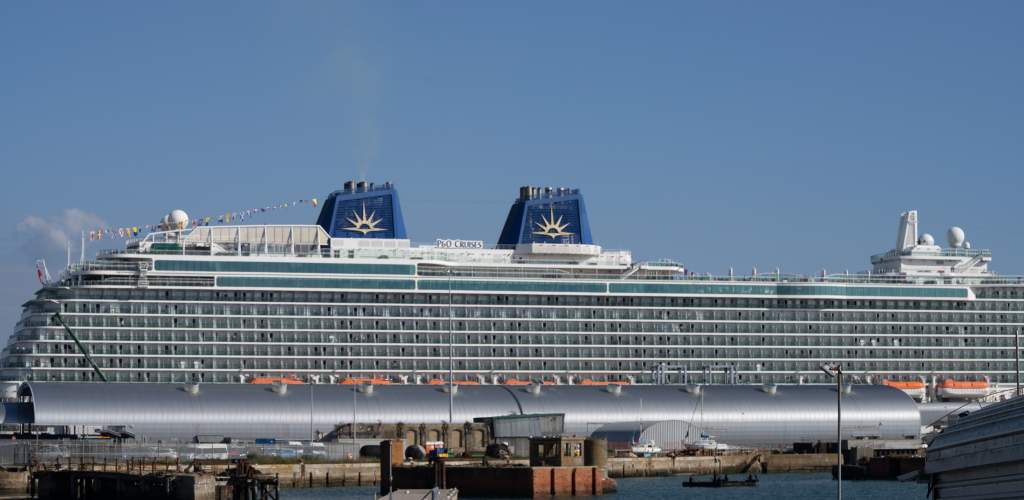
Southampton is a beautiful gateway to Europe, with salty harbor air, historic streets, and a city center close to the cruise docks. It is also a perfect example of why transportation timing matters.
A cruise may be marketed as departing from “London,” but the actual ship can sail from Southampton or Dover — and those ports are not close to each other at all. Southampton is roughly 75 miles southwest of London, while Dover is roughly 75 miles southeast of London in the opposite direction, so it is essential to confirm the exact port before you book hotels or transfers.
Best hotel location
For a pre-cruise night, look for a hotel:
Near Southampton Central Station if you are arriving by train.
In the city center if you want restaurants, shopping, and easy access to taxis.
Within a short taxi ride of the port: not necessarily a hotel that promises you can walk to every terminal.
Southampton Central Station is approximately 1.5–2 miles from most cruise terminals, and official port guidance recommends a taxi, local transport, or a pre-booked transfer depending on the terminal and your luggage.
Transportation and terminal tips
Southampton has five main terminals:
Mayflower
Ocean
City
Queen Elizabeth II (QEII)
Horizon
The official Visit Southampton cruise FAQ explains that your cruise documents indicate the correct terminal. The official Southampton VTS cruise schedule can also help you cross-check the ship’s current allocation.
For vehicle access:
Dock Gate 4: Ocean and QEII terminals.
Dock Gate 10: City, Horizon, and Mayflower terminals.
From Southampton Airport, official guidance notes rail connections to Southampton Central, taxis, and onward road transportation. From Heathrow or Gatwick, allow generous time for traffic and consider a pre-booked private transfer or rail plan. Travelers can either hire a private transfer — often roughly $150–$330, depending on route and service level — or take the train to the station closest to the port and then use a pre-arranged transfer, taxi, or Uber for the final trip to the terminal itself.
My Southampton tip: If you arrive after normal business hours, pre-book your taxi or transfer before landing. Save the provider’s phone number, terminal name, and hotel address offline. Walking may sound manageable until you add suitcases, rain, unfamiliar streets, and a ship departure deadline...
2. Venice: Confirm Whether You Need Marittima or Fusina Before You Book Anything
Venice is magical — but cruise logistics here require extra attention. Venice has TWO major cruise port sites that are NOT near each other: the Marittima passenger terminal in historic Venice itself, and the newer Fusina cruise terminal on the mainland, inaugurated in August 2024 as a dedicated homeport facility.
That means one of the most important pre-cruise questions is simple: Which Venice terminal area is your ship actually using? If you assume the wrong one, your hotel and transfer plans can unravel quickly.
Best hotel location
For a pre-cruise stay, I recommend matching your hotel to the terminal area named in your documents:
If you are sailing from Marittima, stay in historic Venice, ideally near Piazzale Roma or the harbor area.
If you are sailing from Fusina, stay on the mainland near Mestre or Marghera for a much easier transfer.
If you are building in extra sightseeing time, choose the location that fits both your cruise terminal and how much luggage you want to move through Venice.
Transportation and terminal tips
VTP manages the cruise passenger terminals and provides the key transportation guidance. Depending on where you are staying and which terminal you need, options can include:
Water taxi or vaporetto within Venice.
Train to Venezia Mestre or Venezia S. Lucia.
A pre-arranged transfer.
From Marco Polo Airport, official options include coach and water-taxi connections.
The biggest navigation detail is this: Marittima and Fusina are far apart, so travelers must confirm exactly which one is listed on their boarding documents before booking a hotel or transfer.
My Venice tip: Check your boarding documents for the exact terminal area — Marittima vs. Fusina — before you book anything else. In Venice, that one detail changes everything...
3. Rotterdam: Stay Central, Then Confirm the Ship Schedule
Rotterdam feels polished, efficient, and very manageable for cruise travelers. The official cruise terminal is located at Wilhelminakade on the Wilhelminapier, and Cruise Port Rotterdam publishes current ship schedules and arrival/departure information to help travelers confirm where they need to be.
Best hotel location
For a pre-cruise stay, I generally suggest:
City center near Rotterdam Centraal Station for the easiest rail connections.
Wilhelminapier or nearby Katendrecht if you want to stay closer to the terminal itself.
A hotel that makes your final transfer simple — not just one that looks close on a map.
Transportation and terminal tips
Official Cruise Port Rotterdam information shows that travelers can:
Take the train to Rotterdam Centraal and then continue by short taxi ride or pre-arranged transfer.
Use tram and bus options from the city center.
Check the official arrival and departure schedules on the port website before heading out.
Because cruise schedules and ship positions can update, I always recommend confirming your ship’s current listing on cruiseportrotterdam.nl before embarkation day.
My Rotterdam tip: Rotterdam is one of the easier ports to navigate — but even easy ports deserve a final check. Confirm your ship’s schedule and terminal information before you leave your hotel. For most international travelers, Amsterdam Schiphol is often the best airport for this port because it can reduce layovers and help lower flight costs, and it is about 1 hour from the port.
4. Rome (Civitavecchia): Plan for the Port, Not Just for Rome
A cruise may be sold as departing from Rome, but the port itself is Civitavecchia — roughly 80 km (about 50 miles) away and often around 1.5 hours from Rome depending on traffic and connections. It is absolutely worth planning this piece carefully.
Best hotel location
For a pre-cruise stay, the best fit usually comes down to your priorities:
Stay in Civitavecchia near the port if convenience is your top goal.
Stay in Rome city center if you want to enjoy the city before your cruise and are comfortable building in extra transfer time.
Choose based on your arrival time, sightseeing plans, and how relaxed you want embarkation morning to feel.
Transportation and terminal tips
Official Port Mobility Civitavecchia guidance notes that the port provides a FREE shuttle from the Service Center at Largo della Pace out to the cruise ship docks.
Transportation options include:
A regional train from Rome, including Roma Termini or Roma Trastevere, to Civitavecchia.
Then the free port shuttle or a taxi onward to the cruise area.
A direct private transfer from Fiumicino Airport or Rome.
Other rail connections from Rome depending on your itinerary.
As always, confirm which of the port’s cruise terminals your ship is using before you travel.
My Civitavecchia tip: Allow more time than you think you need between Rome and the port on embarkation day. A relaxed arrival feels so much better than a rushed one...
5. Athens (Piraeus): Confirm Whether Your Ship Uses Terminal A, B, or C
Athens is thrilling before a cruise — but your ship will usually sail from Piraeus, not from the center of Athens itself. According to the official Piraeus Port Authority, the cruise terminal area includes multiple berths and several passenger cruise terminals, so confirming the correct terminal matters.
Best hotel location
For a pre-cruise stay, I usually recommend one of two approaches:
Stay in Piraeus near the port for the easiest embarkation morning.
Stay in central Athens if you want more sightseeing time, then plan a clear transfer to the port.
Both can work beautifully — as long as the transportation piece is planned ahead.
Transportation and terminal tips
Official Piraeus Port Authority guidance notes that travelers can reach the port by:
Athens Metro Line 1 to Piraeus, then a short taxi or transfer.
A private transfer.
A taxi directly to the port.
The port operates 24/7 and offers free WiFi plus free passenger shuttle transportation from the ship to the terminals. Before arrival, confirm whether your ship is assigned to Terminal A, B, or C.
My Piraeus tip: Save your terminal letter in your phone and share it with your driver before you leave. At a busy port, a tiny detail can make the whole morning smoother.
Bonus Example: Seattle Shows Why Exact Cruise-Port Planning Matters
Seattle brings mountain views, fresh sea air, and a lively waterfront: but its two cruise terminals are not interchangeable.
Best hotel location
Downtown, Belltown, or waterfront: Convenient for Pier 66 and sightseeing.
Downtown or Queen Anne: Practical for Pier 91, though you’ll likely need a taxi or rideshare.
Near Seattle-Tacoma International Airport (SEA): Usually the least expensive place to stay and useful for late arrivals. You can typically take an Uber to the cruise port for approximately $60, depending on time of day and ride demand, but it is not ideal if you want a waterfront experience before your cruise.
Transportation and terminal tips
The Port of Seattle operates:
Bell Street Cruise Terminal at Pier 66: 2225 Alaskan Way.
Smith Cove Cruise Terminal at Pier 91: 2001 West Garfield Street.
Start with the Port of Seattle’s official cruise passenger information and its SEA Airport transportation guide.
From SEA, transportation options include:
Taxi or app-based rideshare.
Cruise-line motorcoach transfers.
Link light rail to downtown, followed by a short taxi or rideshare trip.
Airport shuttle services.
Link light rail is especially useful for downtown hotels and Pier 66, but Pier 91 is farther north and generally requires another connection. It can also be tough to navigate with luggage, so if you have a suitcase, I suggest taking an Uber.
My Seattle tip: Put “Pier 66” or “Pier 91” in your transportation instructions. Never book a generic “Seattle cruise port” transfer without confirming the pier.
A Simple Guide for “Other Ports”
Wherever we cruise, I recommend this five-step process:
Find the port authority website. Search for “cruise passenger information,” “getting here,” “terminal map,” and “parking.”
Confirm the ship’s terminal with the cruise line. Use the app, boarding pass, e-ticket, or latest email. Often times, your cruise line won't know the exact dock until 48 hours ahead of your cruise, so be sure to have your driver's contact information for your transfer, so you can update them with the correct port information.
Choose a hotel near your transportation: not only near the water. A beautiful hotel is not helpful if taxis are scarce or the port is across town.
Pre-book transportation when timing is critical. Especially for late arrivals, early departures, international ports, mobility needs, or large groups.
Save everything offline. Hotel address, terminal name, transfer confirmation, port map, and emergency contacts.
After the cruise, confirm where your transportation will meet you. Some ports have designated pickup zones or cell phone lots, while others require a walk from the terminal to a taxi rank or meeting point.
Let’s Make Your Cruise Port Plan Feel Easy
A cruise should begin with excitement: not a frantic search for a hotel, terminal, or ride. I can help coordinate the moving pieces, from flights and hotel location to transportation timing, terminal details, and in-travel support.
With 40 years of world travel experience, I plan every trip with care and attention: like I’m helping my own 80-year-old mother navigate it. Ready to escape without the guesswork? Complete my inquiry form, and let’s start planning your next unforgettable journey together...
Official Resources
Comments