%20(2).png)
Europe Trip Planning Secrets Revealed: What Experts Don't Want You to Know
Ready to unlock the Europe travel secrets that most guidebooks won't tell you? After years of planning countless European adventures for our clients at Good Trip Travel Co., I've discovered some game-changing strategies that can transform your trip from ordinary to extraordinary. Let's dive into the insider knowledge that will have you traveling like a seasoned pro...
The Closing Time Magic Hour Strategy
Here's something most travelers get completely wrong: they rush to attractions first thing in the morning, thinking they'll beat the crowds. Plot twist: that's exactly when all the tour buses arrive!
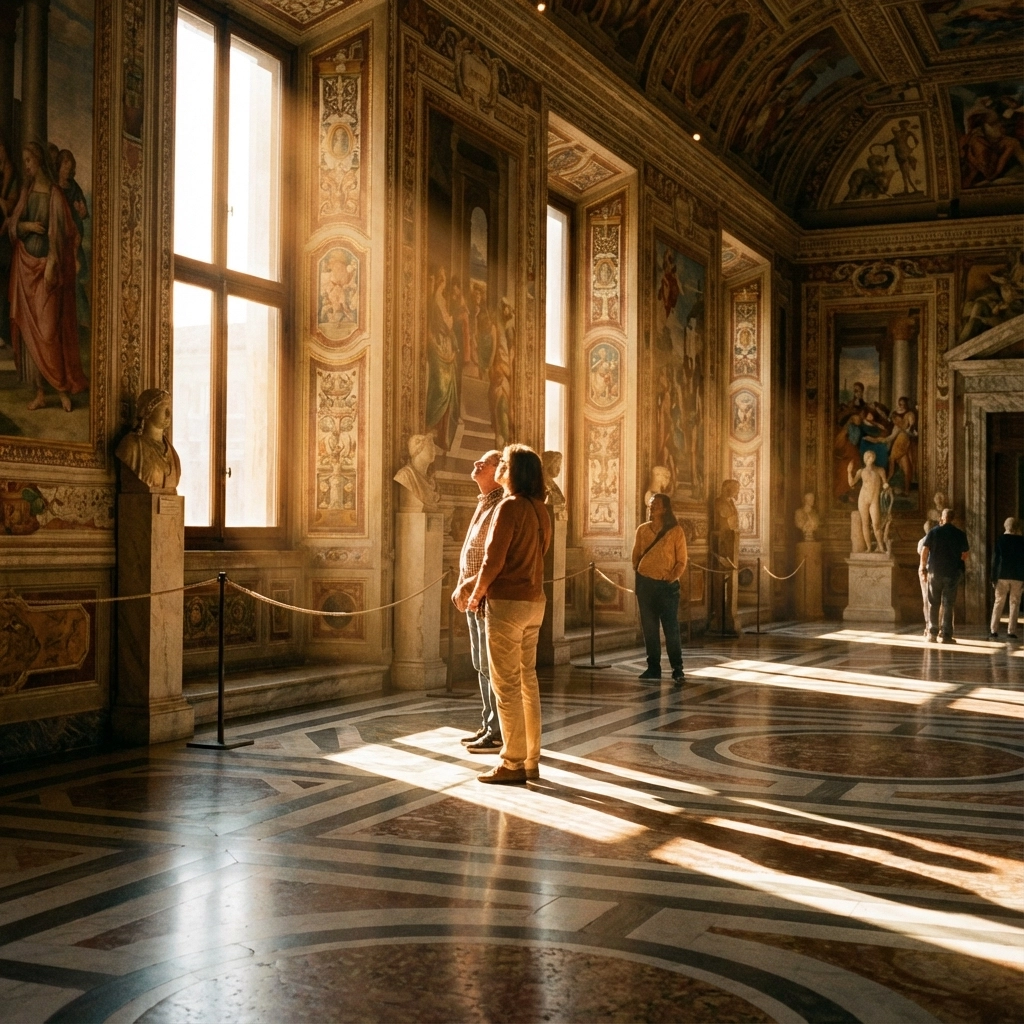
Instead, try the closing time strategy. Visit major attractions in the final 1-2 hours before they close. One of our clients recently entered the Vatican Museums just 90 minutes before closing and practically had the Sistine Chapel to herself. Meanwhile, that same morning, an organized tour group was shoulder-to-shoulder with hundreds of other visitors.
The magic happens because most people assume attractions get busier later in the day, but the reality is quite different. Tour groups typically schedule morning visits, and individual travelers often front-load their sightseeing. By the time late afternoon rolls around, you'll find yourself with breathing room to actually appreciate these incredible spaces.
Free Museum Days: Your Budget's Best Friend
Want to know a secret that could save you hundreds on admission fees? Most European museums offer free admission on specific days each month. Paris alone offers free access to the Louvre on the first Sunday of each month (October through March), while many London museums are always free.
Before you book anything, spend time researching these opportunities. Create a flexible itinerary that allows you to align your visits with free admission days. Not only will this stretch your budget further, but you'll often find these days create a more relaxed, local atmosphere as residents take advantage of the free access too.
The Weekday Advantage Nobody Talks About
Here's something I learned from years of planning group trips: schedule your major sightseeing for weekdays and save weekends for relaxing activities. Tourist attractions become absolutely packed on Saturday and Sunday as local day-trippers join the international visitors.
Instead of fighting those weekend crowds at the Colosseum, use Saturday and Sunday for leisurely café visits, park strolls, or exploring residential neighborhoods where locals actually live. You'll discover the authentic rhythm of European cities while avoiding the tourist chaos.
Slow Travel: The Antidote to European Overwhelm
Can I share something that might surprise you? The biggest mistake I see travelers make is trying to see everything. That ambitious three-week itinerary hitting twelve countries? It's a recipe for exhaustion, not enjoyment.
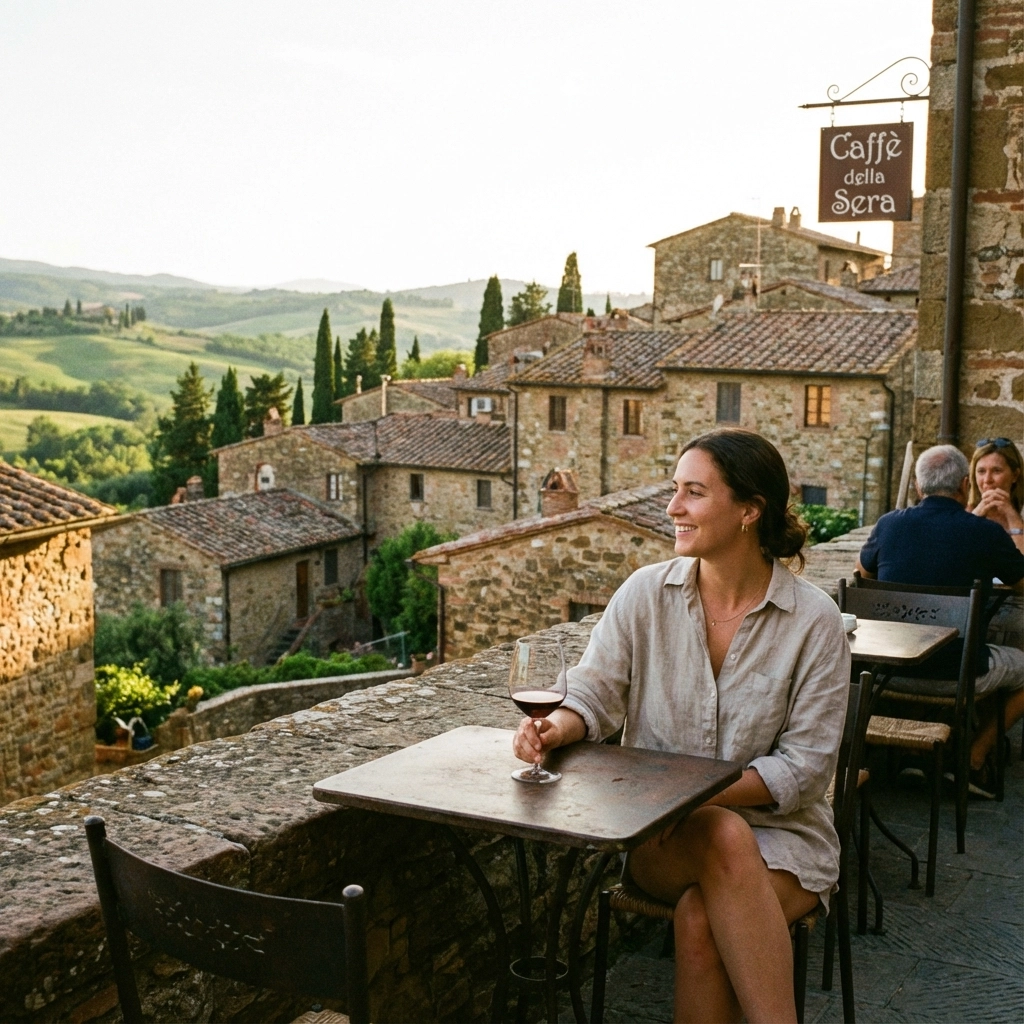
Space out major cities with quieter destinations: think nature breaks, coastal towns, or charming villages. After three intense days in Rome, your soul will thank you for that peaceful interlude in the Tuscan countryside. This approach also eliminates the constant stress of packing, checking out, and navigating new transportation systems every few days.
For major cities like Paris, Rome, or Barcelona, plan for at least five full days. This gives you time to actually experience the city's rhythm instead of just checking monuments off a list.
The Before and After Hours Experience
Ready for one of my favorite insider secrets? Book special before-hours or after-hours tours at popular destinations. These experiences cost more upfront, but the value is incredible.
Imagine having the halls of Versailles to yourself at sunrise, or exploring the Doge's Palace in Venice after all the day visitors have gone home. These tours often include exclusive areas that aren't open during regular hours, plus you'll get personalized attention from guides who can share stories they never have time for during busy periods.
Hidden Gems: Beyond the Instagram Spots
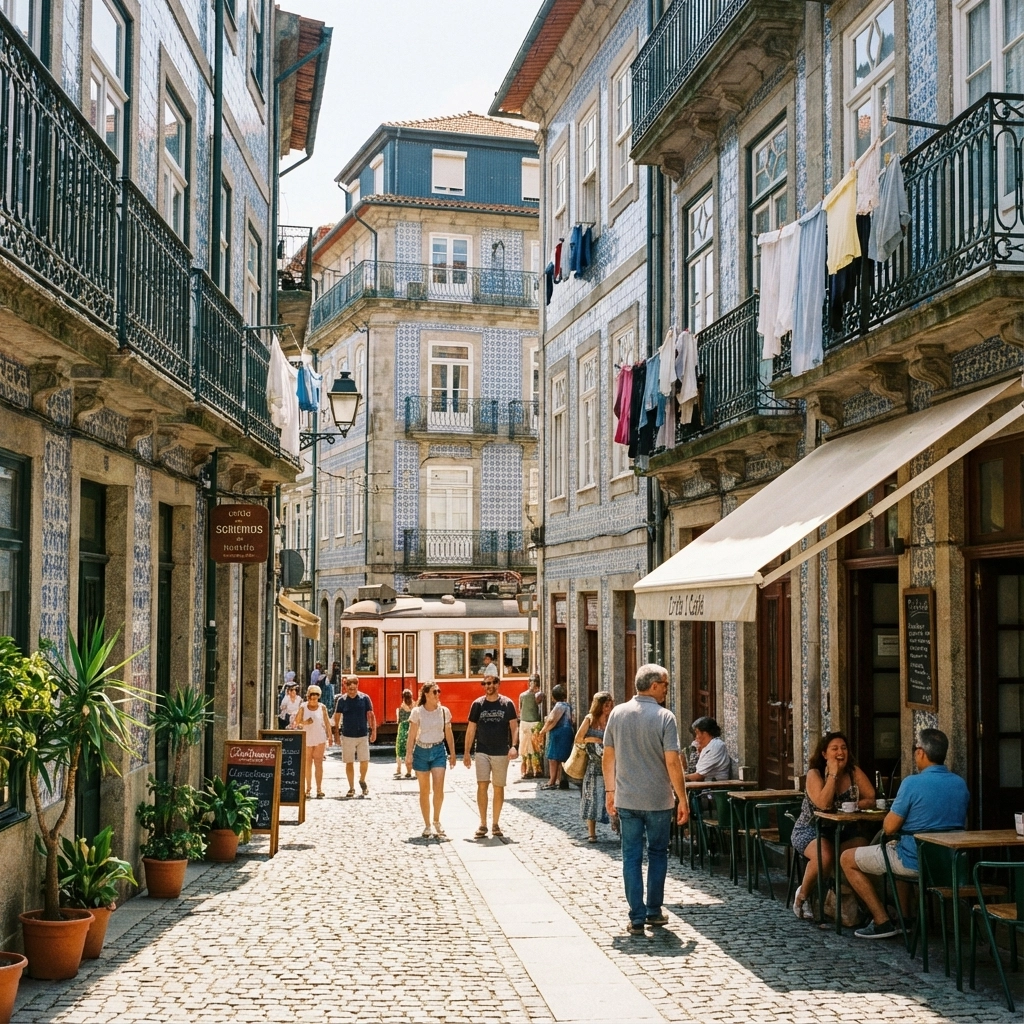
While everyone's fighting for that perfect photo at the Trevi Fountain, Europe's hidden neighborhoods and lesser-known cities offer incredible experiences without the crowds. Have you considered Porto instead of Lisbon? Helsinki instead of Stockholm? Ljubljana instead of Prague?
These destinations offer the same European charm: beautiful architecture, rich history, incredible food: but with space to breathe and often at a fraction of the cost. Plus, you'll have authentic interactions with locals who aren't exhausted from managing overtourism.
The Art of Strategic Rest Days
Something I always build into our custom European itineraries? Planned rest days strategically placed between intensive sightseeing cities. These aren't wasted days: they're when the real magic often happens.
Use these breaks to do laundry, journal about your experiences, explore a single neighborhood thoroughly, or simply sit in a café and people-watch. You'll often discover that these "slow" days become the most memorable parts of your entire trip.
Transportation Secrets That Save Time and Money
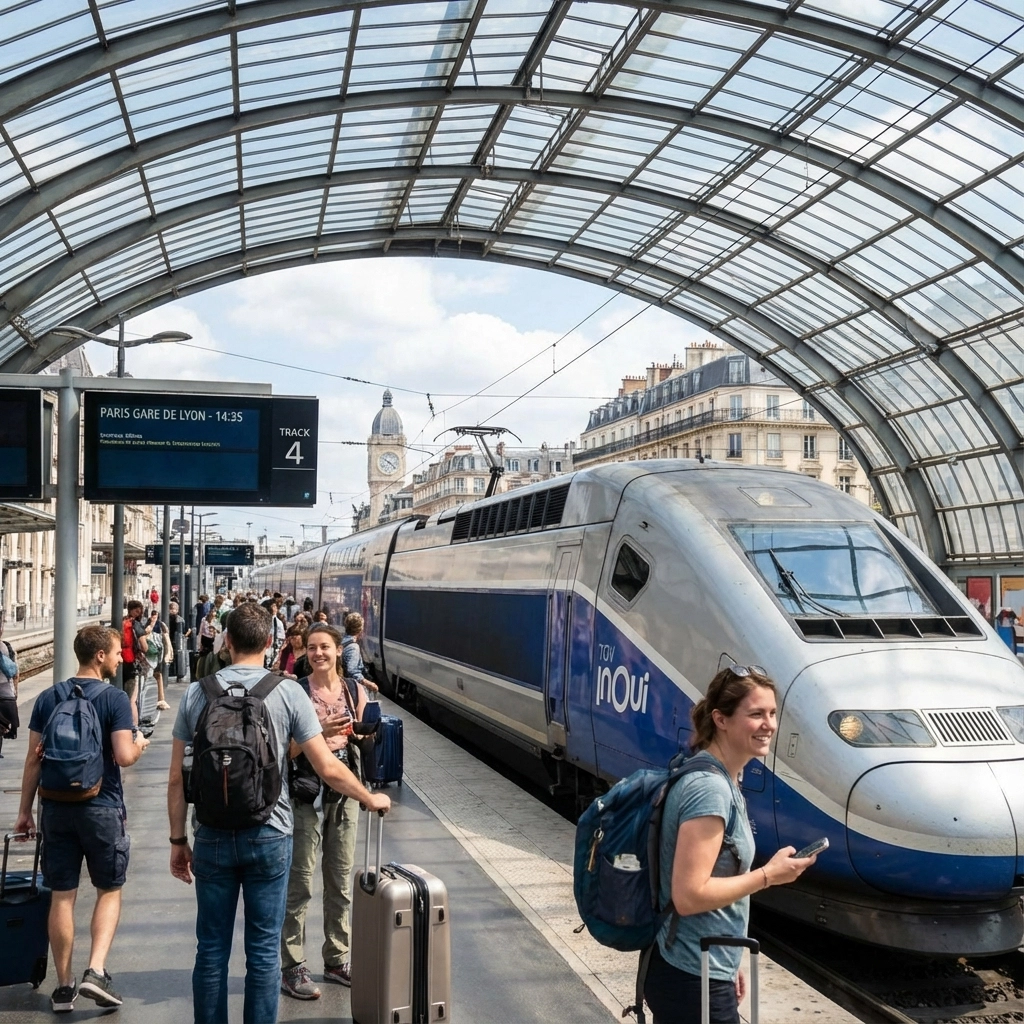
The rail pass isn't always your best option: sometimes individual tickets, especially when booked in advance, cost significantly less. Research budget airlines for longer distances and don't overlook buses for shorter routes through scenic areas.
For city transportation, many European cities offer multi-day transport passes that include museum admissions. Paris Museum Pass, Roma Pass, Barcelona Card: these combination tickets often provide better value than buying separately, plus they let you skip ticket lines at major attractions.
Eating Like a Local (Without the Tourist Trap Bills)
Want to eat incredible food without paying tourist prices? Follow the lunch crowd, not the dinner recommendations. Europeans often enjoy their largest, most elaborate meals at lunchtime, when restaurants offer better prices for the same quality.
Also, don't overlook grocery stores and food markets. European supermarkets carry incredible local specialties, artisanal products, and fresh ingredients that make perfect picnic supplies. Some of your most memorable European meals might happen on a park bench with fresh bread, local cheese, and good wine.
Weather and Seasonal Strategy
Everyone knows about shoulder season benefits, but here's a deeper secret: research specific regional weather patterns and local events. Mediterranean destinations can be perfect in November, while Northern European Christmas markets create magical December experiences that rival any summer visit.
Consider the rhythm of European life: many businesses close in August as locals take their own vacations, but this also means less crowded attractions and more interaction with the travelers and locals who do stay in the cities.
Making It All Come Together
Planning a European adventure that incorporates these secrets takes time, local knowledge, and careful coordination. That's exactly where we come in at Good Trip Travel Co. We've spent years building relationships with local guides, discovering hidden gems, and learning the timing strategies that transform good trips into unforgettable experiences.
Ready to start planning your European adventure? Let's create something extraordinary together. Visit our international travel guidance page to begin crafting your perfect European journey: one that includes all these insider secrets and more.
Your dream European adventure is waiting, and now you have the insider knowledge to make it truly exceptional...
Comments